Dulwich removals for homes and businesses in Dulwich

Moving in Dulwich calls for careful planning, steady handling and a team that understands how to move furniture, boxed belongings and larger items with control. Our removals service is designed to support home moves, flat moves and smaller commercial relocations with a practical approach that keeps the process organised from the first load to the final placement. We focus on safe loading, sensible packing support and transport that suits the scale of the move rather than trying to make every job look the same.
If you are comparing options, it helps to look at the type of move you need, the access at each property and the level of support you want on the day. Some customers only need a man and van style move for a few rooms of furniture, while others want a fuller service with packing, dismantling and delivery to more than one stop. Our removal services cover a broad range of moving requirements, and the right mix of support depends on what you are moving, where it needs to go and how much assistance you want from the team.
For a straightforward enquiry, it is useful to have an item list, the move date, and any notes about stairs, parking or fragile items. That helps shape a clear quotation and makes it easier to match the vehicle size and crew to the job. When you are ready, send your details through here and we can take the next step.
House removals and flat moves
House removals often involve more than lifting boxes from one door to another. They can include wardrobes, beds, dining furniture, white goods and carefully wrapped personal items, all of which need sensible handling so that the move stays orderly. Our approach is built around the practical demands of domestic removals, with attention to the route through the property, the sequence of loading and the way items are secured in transit. That matters just as much for compact homes as it does for larger family houses.
Flat moves can bring their own challenges, especially where stair access, shared entrances or limited parking affect the pace of the work. We can help plan around those details and keep the process realistic, including the order in which items are moved and whether any pieces should be dismantled before loading. If you want to see the wider range of domestic options, our home moves page explains the sort of support available for household relocations of different sizes.
Packing support and careful preparation
Packing is often the difference between a move that feels controlled and one that feels rushed. We can support customers who prefer a more hands-on service by helping with packing and unpacking as part of the move, while still keeping responsibilities clear about what is wrapped, boxed or left ready to load. For more detail on this side of the work, our packing and unpacking services page gives a useful overview of how that support fits into a removals plan.
Office relocations and commercial moving

Commercial moves need a different rhythm from domestic removals because desks, IT equipment, filing, stock and workplace furniture all have to be moved with minimal disruption to the business. Our office relocation support is designed for practical transport and organised handling rather than a one-size-fits-all approach. Whether the move involves a small office, a shared workspace or a larger department shift, the aim is to keep items grouped correctly so that unpacking and reinstallation are more manageable at the other end.
Planning matters particularly in business moves because access windows, building rules and the order of movement can affect how the day runs. We can discuss the scale of the relocation, the number of rooms or zones involved and any items that need extra care, such as monitors or sensitive equipment. If the move involves a full workplace change, our office removals service sets out how we handle commercial loading, transport and delivery in a structured way.
A good office move usually starts with simple decisions about what is staying, what is travelling and what should be set aside for archive or disposal. Keeping those groups separate makes the move more efficient and reduces confusion when the new space is being fitted out. Office relocation services can be especially helpful where a business wants a carefully managed transfer rather than a basic van hire style arrangement.
Single-item moves, furniture collection and flexible transport
Not every job is a full house or office move. Some customers only need a bed moved from storage, a sofa collected from a seller or a bulky item taken to a new address with care. Flexible transport is useful for those situations because it allows the move to be scaled to the item rather than forcing it into a larger service. Our furniture collection and removal work is suitable for individual pieces, small loads and mixed items that still need proper handling.
In these smaller jobs, the main considerations are usually size, weight, access and whether anything needs dismantling before it can be loaded safely. For example, a wardrobe, dining table or large cabinet may travel better when separated into manageable parts. If you only need a practical vehicle and loading support, furniture pick-up can be a useful place to start when arranging that type of move.
- single pieces such as beds, sofas and cabinets
- small loads from storage, sellers or short-distance moves
- careful handling for awkward or heavy household items
- transport support where lifting and loading matter as much as the journey
Vehicle options and loading choices

The right vehicle makes a noticeable difference to how efficiently a removal goes. A smaller vehicle may suit a compact flat or a few key pieces, while a larger vehicle can support a fuller house move or a business relocation with more furniture and boxes. Choosing sensibly helps avoid unnecessary trips and keeps items arranged in a way that reduces movement during transit. It is not simply about capacity; it is also about making the load stable and manageable.
When planning a move, the loading style matters too. Some jobs work well with a van and careful stacking, while others benefit from a more tailored removals vehicle that can accommodate larger furniture or mixed loads. If you are comparing transport-focused services, moving van options may suit a wide range of everyday moves, while moving truck transport can be more appropriate for bigger loads or more demanding relocations.
We also provide information about standard removals vehicles for customers who want to understand the difference between the transport choices before requesting a quotation. That can be helpful if you are deciding how many trips may be needed or whether a more spacious vehicle would make the move easier. Removal van and removal truck hire are both useful pages to review if the transport side of the job is your main concern.
Packing, dismantling and protecting items in transit
Good removals work is not only about lifting and driving. It also depends on how well items are prepared before they are placed in the vehicle. Furniture may need to be wrapped, fragile belongings boxed with care and awkward pieces dismantled so they can be moved without damage. This part of the service is especially important where a move includes glass, mirrors, electronics or fitted items that need extra attention during handling.
We can support the process in a way that matches the move, whether that means helping to load pre-packed boxes or dealing with a fuller packing plan. The aim is to keep the contents organised so that they can be unloaded in a sensible order and placed into the correct rooms or work areas. For a closer look at the broader service, removal services brings together the main moving support available across different types of jobs.
Customers often ask whether a move can be arranged around the furniture they already have packed or partly dismantled. In many cases, the answer depends on access, item size and how much preparation is needed to keep everything secure in transit. That is why a short list of key belongings is so useful when requesting a quotation: it helps shape the plan without adding unnecessary complications.
About Dulwich
Dulwich is a district in south London associated with a mix of village-like streets, green spaces and long-established institutions. It is commonly divided into East Dulwich, West Dulwich and Dulwich Village, each with its own streetscape and character, while still belonging to the wider London Borough of Southwark. The area’s identity has been shaped over centuries by the presence of Dulwich College, which traces its origins to the early seventeenth century, and by the estate planning that gave parts of the district a distinctive suburban layout rather than a dense urban grid. Dulwich Park, created in the late nineteenth century, offers open lawns, tree-lined walks and a lake that form a strong local landmark. Nearby, Belair Park adds another stretch of open ground with formal and informal planting, while the Dulwich Picture Gallery stands out as one of London’s most important cultural sites, housed in a purpose-built neoclassical building designed by Sir John Soane and opened in 1817. The district also has strong railway connections through stations such as North Dulwich, East Dulwich and West Dulwich, which helped shape its development as a residential area. Smaller shopping streets, independent cafés and local pubs give the neighbourhoods a settled community feel, while the combination of Victorian, Edwardian and later housing creates a varied built environment. Much of Dulwich’s appeal lies in that balance between urban access and a quieter residential atmosphere, with parks, galleries and conservation areas sitting close to everyday high streets and transport links.
Quotation factors and what to include
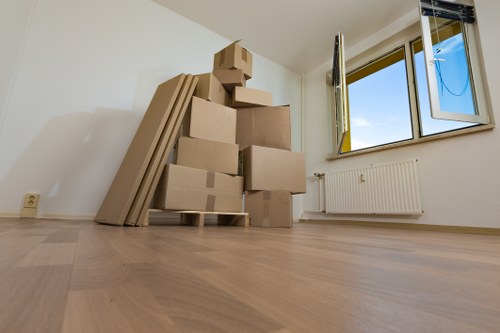
Removal quotations are usually shaped by the practical details of the job rather than by a fixed formula. The main factors are the size of the load, the distance travelled, the number of items that need extra care and the level of support required at each end. Access can matter too, especially if there are stairs, restricted parking, narrow entrances or long carrying distances. Clear information helps build a sensible quotation that reflects the move you actually need.
A good enquiry normally includes the start and end locations, the type of property, the approximate number of rooms or items, and any special notes about fragile or heavy belongings. If you already know whether boxes are packed or whether furniture needs dismantling, that is useful as well. For customers who want to compare options before committing, pricing and quotes gives a helpful place to begin.
If the move involves a mix of regular household goods and a few awkward pieces, it is worth mentioning those separately so the quote can account for them. That helps avoid surprises on the day and lets the move be planned around the items that need the most attention. Once you have a clear list, you can request a quotation with confidence and decide which level of service suits the job.
Support for local moves and everyday relocation needs
Local removals often benefit from a service that is practical, responsive and not overcomplicated. The same approach can suit a short move within the district, a transfer to another part of London or a more routine relocation between homes and storage. What matters is matching the vehicle, the crew and the handling method to the scale of the move so that the job feels manageable from start to finish. We aim to keep the service focused on what is needed, without adding unnecessary steps.
Some customers prefer a straightforward removals option; others want the reassurance of a service that can also help with loading, carrying and placement at the destination. If you want a broader view of who the service is intended for, removal company and removals provide useful overviews of the moving support available across different types of customer needs.
Tell us what you are moving, where it needs to go and when you would like it done. Even a simple outline can be enough to start the conversation. If the details are straightforward, the next step is easy: make an enquiry and we will respond with the information needed to move ahead.
Household moves with practical handling

Household moving is often a mix of routine items and pieces that need a little more care. Tables, shelving, mattresses and boxes of personal belongings all need to travel securely, but they also need to be arranged in a way that makes unloading sensible at the destination. Our removals approach keeps that broader picture in mind, so the move is not just about getting items into a vehicle but about helping them arrive in a usable order.
For customers comparing household options, it can help to look at the kind of assistance included at each stage. Some moves only need transport, while others benefit from a team that can support dismantling, carrying and placement in the correct rooms. If you are comparing different household service styles, house removals, house movers and house removalists are all relevant pages to review, depending on the way you like to describe the job.
A move works best when everyone knows what is travelling and what needs special handling. That is why short, accurate information is more useful than guesswork. If you are ready to take the next step, ask for a quotation and we can help you plan the move in a clear, practical way.
Choosing the right removals support
Different moves call for different levels of support, and it is worth choosing a service that matches the job rather than paying for more than you need. A full removals arrangement may suit a larger household, while a smaller move may only need transport and loading help. Some customers also prefer a service that can handle repeat moves, deliveries or storage transfers, which is where a flexible removals provider becomes more useful than a basic transport-only arrangement.
If you would like to compare broader removals terminology before deciding, removal company and removal companies can help you understand the scope of the services on offer. For customers who just need moving support without a more specific service label, movers and removals near me are also useful pages within the site structure.
When the details are ready, keep the enquiry focused on the essentials: item types, access, dates and destination. That keeps the process efficient and makes it easier to agree a suitable plan. If you would like to proceed, contact us for a quotation and we will take it from there.