Dulwich removals guide Lordship Lane and Crown Point SE22
Posted on 19/06/2026
Moving home or office around Lordship Lane and Crown Point in SE22 can feel deceptively simple. On paper, it is "just a local move". In real life, you're dealing with parking, narrow access, staircases, last-minute packing, neighbours, timing, and the small chaos that always seems to show up right when the kettle is unplugged. This Dulwich removals guide Lordship Lane and Crown Point SE22 is designed to make the process calmer, clearer, and a lot more manageable.
Whether you are shifting out of a flat above a shop, moving into a Victorian terrace, relocating a small business, or helping a student settle nearby, the basics stay the same: plan early, reduce surprises, choose the right moving method, and keep the day organised. That sounds obvious, but let's face it, moving day has a way of turning obvious things into forgotten things. This guide walks through the local realities, the practical steps, and the choices that actually matter.

Why Dulwich removals guide Lordship Lane and Crown Point SE22 Matters
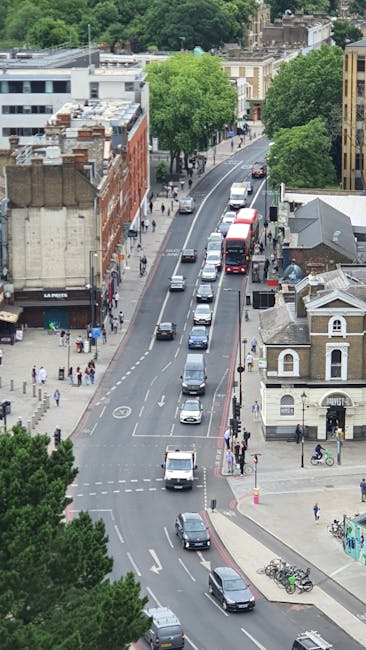
Lordship Lane and Crown Point sit in one of those London pockets where everyday logistics can be more demanding than they first appear. You have a mix of residential streets, flats over commercial units, family homes, short road stretches, busy local traffic, and the usual pressure points around loading and unloading. If you are moving here, or out of here, the difference between a smooth day and a stressful one often comes down to preparation.
A strong removals plan matters because local moves are rarely "plug and play". A van may need better access than expected. A front door may open straight onto stairs. There may be limited time to park. You might need to move a sofa, a piano, or boxes from an upstairs flat with no lift. Even a small move can feel big when you are managing keys, work calls, children, pets, and a room full of half-packed belongings.
Good planning also matters for trust. If you are comparing removal companies in Dulwich, you want a team that understands not just lifting and carrying, but the rhythm of local streets, typical access issues, and the practical details that make a move safer. In our experience, that local awareness is often what separates an easy morning from a "why is this taking so long?" afternoon.
There is also a financial side to it. Better organisation can reduce wasted time, avoid rushed decisions, and lower the chance of damaged items. And if you are moving between rentals, which happens a lot around SE22, the ability to move efficiently can help you line up old and new tenancies without too much overlap. Not perfect, rarely perfect, but far more manageable.
How Dulwich removals guide Lordship Lane and Crown Point SE22 Works
The moving process is usually straightforward on the surface: you pack, the movers load, transport happens, and everything is placed in the new property. But the detail underneath is where a good move lives or dies. Around Lordship Lane and Crown Point, the process often starts with access and item review.
First comes the inventory. This does not need to be a museum-level catalogue, but it should be clear enough that everyone understands what is going. Large furniture, fragile items, awkward pieces, and anything unusually heavy should be identified early. If you are moving a family home, a narrow hallway can change how a wardrobe is removed. If you are in a flat, stair turns and landing space may matter more than volume alone.
Next comes the route and vehicle decision. A large lorry is not always the best answer for a local SE22 move. Sometimes a smaller vehicle or a man and van Dulwich option is more practical, especially for short-distance moves, student moves, partial loads, or single-room relocations. For heavier or more complex jobs, a full removals team may be the better fit. There is no single right answer. The right answer depends on load size, access, timing, and how much help you actually need.
Then comes packing and protection. The best movers still need a sensible level of packing from the customer side, unless a full packing service has been arranged. Boxes should be sealed, labelled, and not overfilled. Furniture should be emptied where possible. Fragile items should be wrapped properly. It sounds basic, but basic is often where the win is.
Finally, there is the moving-day flow: arrival, loading, transit, unloading, and placement. A good team will work methodically and keep communication open. You should know what is being taken first, what needs special care, and where things should go at the destination. That last part matters more than people think. Boxes dumped in the wrong room create a second move later on. Nobody wants that.
Key Benefits and Practical Advantages
A local Dulwich move can be faster and less disruptive than a long-distance relocation, but only if it is handled properly. The biggest benefit is control. When everything is organised, you are less likely to lose time to avoidable issues like missing box labels, poor parking plans, or last-minute dismantling.
Another clear benefit is reduced physical strain. Moving is tiring, full stop. Even one badly handled mattress or chest of drawers can throw out your back for days. Using a proper service such as house removals Dulwich helps remove some of the heavy lifting and the stress that comes with it. You also lower the risk of scraping walls, dropping items, or overestimating how much your friends can lift before lunch. Friends are great. Friends with good intentions and no gloves are not always the best moving crew, to be honest.
There is also time efficiency. A planned move allows you to focus on the bits only you can do, such as redirecting deliveries, confirming keys, and checking the new property. That can be especially useful if you are moving in or out on a weekday, when traffic and timing become part of the equation.
For people with specialist items, the advantage is even clearer. Upright pianos, large mirrors, antique furniture, and awkward office equipment need more than enthusiasm. A dedicated piano removals Dulwich service, for example, is not a luxury if the item is heavy, valuable, and awkwardly placed. It is risk management.
Here is the practical summary:
Key takeaway: the best local move is not the fastest one on the clock; it is the one that finishes with your belongings intact, your schedule roughly on track, and your stress level still within human limits.
Who This Is For and When It Makes Sense
This guide is useful for anyone moving within or around SE22, but it is especially relevant if your move has one or more of the following characteristics:
- You are moving from a flat above a shop or a property with awkward access.
- You have a family home with large furniture and multiple rooms of belongings.
- You are relocating a small office or home workspace.
- You need help at short notice and the move cannot wait until next week.
- You are downsizing and need a mix of moving and storage.
- You are a student moving in or out of shared accommodation.
- You have specialist items that need careful handling.
For example, a student moving into a shared flat near Lordship Lane may only need a small van, a few boxes, and help with a bed frame. A family moving near Crown Point may need dismantling, protection materials, multiple trips, and a longer loading window. Those are very different jobs, and pretending otherwise usually creates problems later.
If you are unsure which service level fits, it helps to look at the broader services overview before deciding. That kind of comparison saves a lot of guesswork, especially when you are trying to keep costs sensible without cutting corners.
Step-by-Step Guidance
The best way to make a move feel manageable is to break it into simple stages. Not glamorous, but it works.
- Confirm your moving date early. If keys, handover times, or building access are tight, build the day around the most restricted part.
- Sort and reduce. Be ruthless with duplicate kitchenware, old cables, worn-out storage boxes, and anything you have not used in ages.
- Choose the right removals help. A smaller move may suit a man with a van Dulwich arrangement, while a larger or more complicated move may need a full removals team.
- Pack by room. Keep one room's contents together so unpacking is not a mystery box exercise.
- Label clearly. Add room names and a quick note such as "fragile", "open first", or "heavy".
- Protect key items. Use wrapping, blankets, and proper carton sealing for items that could easily chip or split.
- Check access at both ends. Measure doorways, stair widths, parking distance, and lift availability if applicable.
- Prepare a first-night box. Keep essentials separate: kettle, basic toiletries, phone chargers, medication, snacks, and a change of clothes.
- Walk the property before the van leaves. It sounds obvious, but you would be surprised how often things get left in cupboards, lofts, or behind doors.
If your schedule is tight, you may also want to consider same day removals Dulwich. That is not for every move, naturally, but it can be a lifesaver when a chain shifts or a tenancy date moves unexpectedly.
One small but useful habit: photograph valuable items before packing them. You are not trying to create an insurance claim folder on purpose, but a quick visual record can help if something is questioned later. Also, it helps you remember what went where. The brain gets fuzzy on moving day. Very fuzzy.
Expert Tips for Better Results
Good removals work is often about the small things done well. Here are a few habits that make a real difference around Lordship Lane and Crown Point.
1. Pack the awkward items early. Lamps, mirrors, artwork, floor-standing plants, and odd-shaped kitchen gear always take longer than expected. Leave them until the final hour and you will feel it.
2. Keep one clear route through the property. If boxes block hallways, loading slows down and the risk of bumps increases. A clean path makes the whole day calmer.
3. Separate heavy from fragile. It is tempting to use every box to the last inch. That is usually how broken mugs happen. Use smaller boxes for books and heavier contents.
4. Ask about disassembly before moving day. Wardrobes, bed frames, large desks, and some sofas move much more safely if they are partially dismantled. If the team can help with this, great. If not, do it yourself before they arrive.
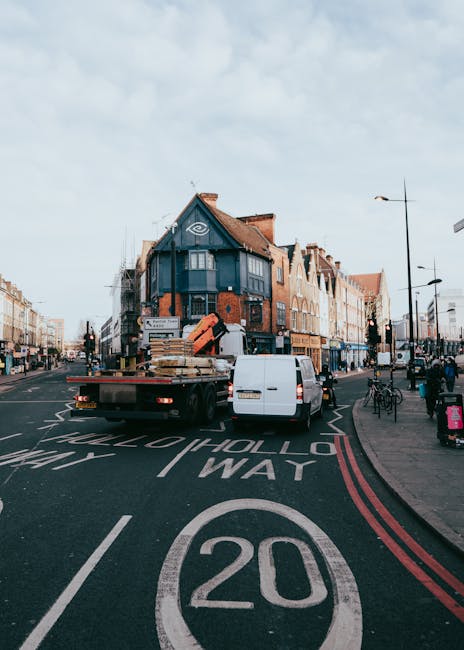
5. Be realistic about parking and timing. SE22 roads can get busy, and a van parked too far away adds time, effort, and cost. A ten-minute delay can become a forty-minute problem if access is poor.
6. Treat storage as a useful tool, not a failure. Sometimes the new place is not ready, or you simply do not want every item moved in at once. In those cases, storage Dulwich can keep the move flexible.
7. Check the fine print. This is the part everyone skims, then regrets later. If you are comparing options, look closely at pricing and quotes so you understand what is included and what may cost extra.
A slightly old-fashioned tip, but a good one: keep tea, water, and a couple of biscuits accessible. A moving team that can pause for two minutes and reset is often a better team than one that is rushed and half-starved. Human beings, annoyingly, do still need snacks.
Common Mistakes to Avoid
A lot of moving stress comes from avoidable mistakes. Not dramatic failures. Just the little things that snowball.
Underestimating the job size. A move that looks like "a few boxes and a bed" can become a full-day operation once cupboards are opened and hidden storage is revealed. Be honest about volume.
Poor labelling. Boxes marked only "misc" do not help anyone. If every box is a mystery, unpacking becomes a slow rummage through your own life.
Leaving packing to the last night. It rarely goes well. You end up wrapping plates in half a newspaper and calling it a system. It is not a system.
Ignoring access issues. Narrow stairs, no lift, tight turns, and parking restrictions all affect the plan. If you do not mention them early, the team may arrive without the right expectations.
Choosing service level only by price. Lowest cost is not always best value. For some moves, a basic vehicle is fine. For others, it is the wrong tool entirely. If you need a bigger team, look at the fit rather than just the number.
Forgetting insurance and care. The point is not to live in fear of damage. The point is to make sure you are covered, the handling is sensible, and expectations are clear. That is just sensible adulthood, really.
Not preparing for the first night. If your toothpaste is in a box under six pans and a lamp, the first evening gets irritating quickly. Keep essentials separate.
Tools, Resources and Recommendations
You do not need a truckload of special equipment to move well, but a few simple tools help a lot. The essentials are boring for a reason: they work.
- Strong boxes for books, kitchenware, and mixed household items.
- Packing tape that actually sticks, because weak tape is a tiny insult on moving day.
- Bubble wrap or paper padding for breakables and corners.
- Markers and labels for fast room-by-room identification.
- Furniture covers or blankets for sofas, tables, and wooden pieces.
- Tools for disassembly if you are taking apart beds, shelves, or desks.
- Phone charger and power bank for keeping keys, apps, and contacts reachable.
From a service point of view, it helps to know what sort of support you actually want before you start comparing options. A local move with fewer items may be best handled through man and van Dulwich, while a larger family relocation may need a more complete removal services Dulwich package.
If you are moving after a tenancy ends or before decorating a property, you may also find flat removals Dulwich useful, especially in buildings where access and space are tighter than they look on paper.
For anyone comparing options around the area, it can also help to read the company background at about us. That gives you a better sense of how the business works and what standards it says it follows. A little due diligence goes a long way.
Law, Compliance, Standards, or Best Practice
For most home moves, the legal side is not complicated, but it should not be ignored. In the UK, moving companies are expected to operate safely, communicate clearly, and handle belongings with reasonable care. Customers, meanwhile, have a duty to be accurate about access, item lists, and any special risks.
Best practice usually includes proper insurance arrangements, fair terms, clear pricing, sensible lifting procedures, and secure payment handling. If a provider discusses safety, insurance, and payment transparently, that is a positive sign. If those details are hidden, rushed, or vague, pause. Ask questions.
You may also want to review practical policies before booking. For example, insurance and safety helps set expectations around handling and protection, while payment and security is useful if you want to understand how transactions are handled. These are not exciting pages, granted, but they are the kind of pages that matter when things are moving quickly.
It is also sensible to look at terms and conditions before confirming a booking. That is where you can usually see the practical rules around timing, responsibility, and service boundaries. If you are environmentally minded, recycling and sustainability may also be relevant, especially if you are decluttering as part of the move.
For larger moves involving offices or mixed household and work items, the safety angle becomes even more important. A serious provider should have a visible health and safety policy, and that is worth checking before heavy lifting starts.
Options, Methods, or Comparison Table
Choosing the right moving method depends on your volume, access, timing, and budget. Here is a simple comparison that helps clarify the differences.
| Option | Best for | Advantages | Watch-outs |
|---|---|---|---|
| Man and van | Small flats, student moves, a few rooms, short local jobs | Flexible, usually efficient, suited to lighter loads | May not suit large furniture sets or complex access |
| Full house removals | Family homes, multi-room moves, larger volumes | More support, better for heavy or awkward items | May require more planning and a wider time window |
| Removal van only | Customers who need transport but have their own loading help | Useful for straightforward moves | Less hands-on support for lifting and handling |
| Storage + move | Staggered completions, decluttering, temporary gaps between properties | Flexible and reduces pressure on moving day | Costs may be higher than a single direct move |
In a practical sense, the right option is the one that fits your day rather than forcing your day to fit the option. For instance, if you are moving from a compact flat and have only a modest amount of furniture, a smaller solution may be ideal. If you are moving a family home with a dining table, sofa, beds, wardrobes, and the contents of a shed, that is a different conversation entirely.
If you want a closer look at the broader range of support available, the removals Dulwich page is a useful starting point for understanding how different move types are approached.
Case Study or Real-World Example
Here is a realistic example from the kind of move people often make around this part of SE22.
A couple moved from a first-floor flat just off Lordship Lane into a terraced house near Crown Point. They had a sofa, a bed frame, a dining table, several boxes of books, kitchen items, and a couple of awkward plants that had outgrown the old windowsill. Nothing extreme. Just enough to be annoying if left until the last minute.
The move went well because they did three things early: they measured the stair and hallway access, they packed by room, and they separated the fragile items. They also booked the right level of help instead of assuming a tiny van would do everything. A few items went into storage for two weeks while decorating finished, which meant the new home did not feel crowded on day one.
The biggest lesson was simple. The move was not easier because they had fewer things than everyone else. It was easier because they planned like people who had already done it once before. That's usually the trick, isn't it?
For people with specialist furniture, the same logic applies. If your move includes a valuable instrument or large fragile item, use a dedicated service such as furniture removals Dulwich rather than treating it like any old box of books. The item may survive being "careful enough". But why gamble with that?
Practical Checklist
Use this checklist in the week before your move. Print it, scribble on it, stick it to the fridge. Whatever works.
- Confirm moving date, keys, and access times.
- Check parking or loading arrangements at both addresses.
- Decide whether you need a van-only, man-and-van, or full removals service.
- Finish decluttering and donate, recycle, or dispose of unwanted items.
- Pack room by room and label each box clearly.
- Protect mirrors, screens, artwork, and other fragile pieces.
- Disassemble furniture where practical.
- Set aside essentials for the first night.
- Keep documents, valuables, and keys with you.
- Review the quote, terms, and any extra service notes.
- Share any access issues or special handling needs with the mover.
- Do a final walk-through before the vehicle leaves.
One useful extra: keep a small bag of screws, fittings, Allen keys, and labels together in one clearly marked pouch. Those tiny parts have an annoying habit of vanishing at the exact wrong moment.
Conclusion
A move around Lordship Lane and Crown Point in SE22 is much easier when you treat it like a project rather than a scramble. With the right planning, the right moving method, and a clear sense of what needs protecting, you can avoid the most common headaches and settle in with far less friction.
The main idea is simple: understand your access, know your load, choose your support carefully, and keep the day organised in small, manageable pieces. If you do that, the move becomes less about chaos and more about transition. A fresh start, really. And those can feel good.
Get a free quote today and see how much you can save.
If you are still weighing up your options, it is worth taking one calm look at the details, then another. A few thoughtful decisions now can save a lot of lifting, fiddling, and stress later. And that peace of mind is worth quite a lot.