East Dulwich parking suspension rules for removals near station
Posted on 01/07/2026
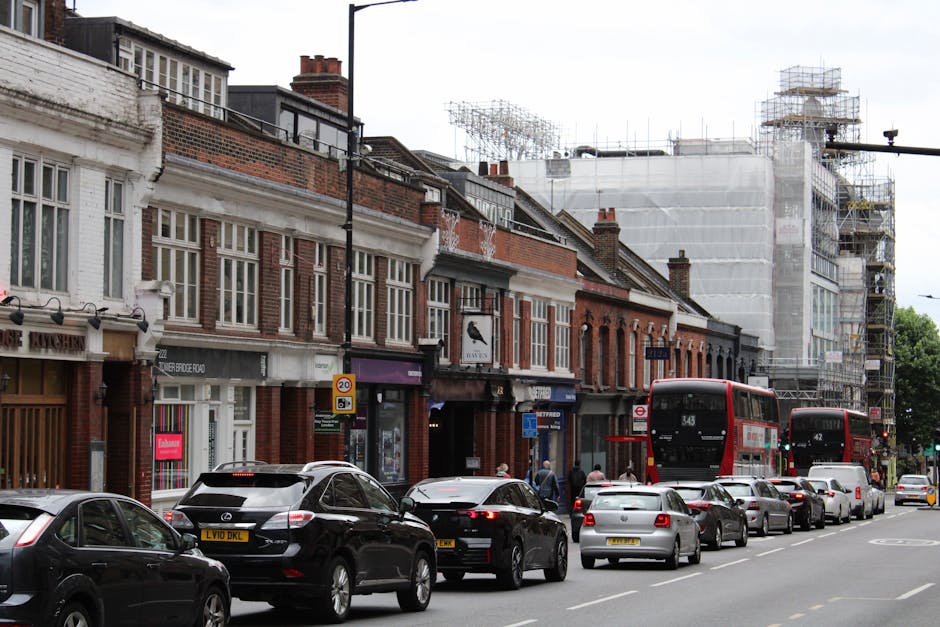
If you are planning a move near East Dulwich station, the parking side of the job can matter just as much as the lifting. A perfectly organised removal can still unravel if the van cannot stop where it needs to, if a bay is suspended without warning, or if the driver has to keep circling while the crew waits at the kerb. That is the headache this guide is here to solve. We'll walk through East Dulwich parking suspension rules for removals near station in plain English, explain how they usually work in practice, and show you how to avoid the frustrating little delays that turn a moving day into a long one.
Truth be told, station areas are rarely forgiving. They are busy, narrow, and often shared by commuters, residents, delivery drivers, and removal teams all at once. So rather than guessing on the day, it pays to plan the access carefully, confirm the suspension details early, and line up the right type of vehicle and loading approach. If you are comparing moving options, you may also find our services overview and pricing and quotes pages useful while you decide what level of support you need.
Why East Dulwich parking suspension rules for removals near station Matters
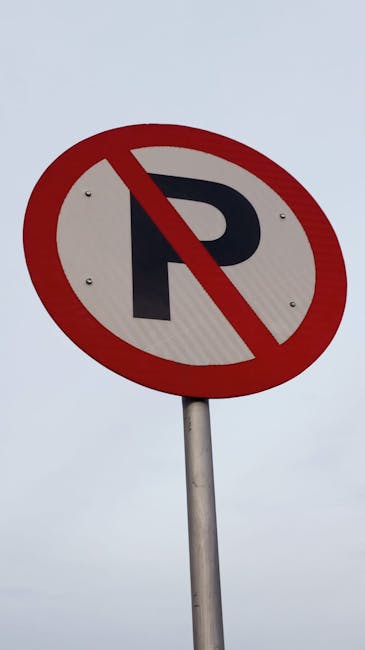
Moving close to a station is not just another residential removal. Stations bring extra movement, limited stopping space, and a higher chance of conflicting road use. A parking suspension, where a bay or section of road is temporarily taken out of normal use, can make the difference between a smooth load-out and a stressful scramble. For removals, that matters because every extra metre from the front door to the van adds time, energy, and risk of damage.
In practice, East Dulwich parking suspension rules for removals near station matter for three reasons. First, they help your vehicle get as close as possible to the property. Second, they reduce the odds of parking tickets, disputes, or the need to unload from a poor position. Third, they create a calmer working area for carrying sofas, wardrobes, boxes, and the odd awkward item that always seems heavier than it looks. If you have ever tried to pivot a mattress past a parked bike in a tight street, you will know exactly why this matters.
Station-adjacent streets can also see more changeover traffic during the day. That means even a short delay can cascade. Your crew may be ready, but if the bay is unavailable or another vehicle is sitting in the space, the whole sequence gets pushed back. And on moving day, little delays are never really little.
A sensible approach is to treat parking access as part of the move plan, not an afterthought. That is especially true if you are using a man with a van in Dulwich or a larger removal team, because vehicle size and loading time directly affect how much kerbside access you need. If your move is a bigger one, a dedicated house removals Dulwich service may be a better fit than a quick, improvised lift-and-go.
How East Dulwich parking suspension rules for removals near station Works
Parking suspension rules are generally local, temporary traffic controls applied to selected bays or stretches of road. For removals, the point is usually straightforward: create enough space for a removal van to park legally, load safely, and leave again without blocking traffic or endangering pedestrians. The exact process varies by street and timing, so it is worth checking the details rather than assuming anything.
Here is the plain-English version of how it usually works. A suspension is requested in advance, approved if the location and date are suitable, and then signposted before the moving day. On the day itself, the suspended space should be free for the approved purpose. If it is not, there may be a practical issue to resolve, and sometimes the removal crew must adapt on the spot. That is where good planning pays off.
Near East Dulwich station, the roads can be tight enough that a van needs a very specific stopping position. Even if the space looks available, the suspension may only cover part of the bay or may have time restrictions attached. So the real job is not merely securing a suspension. It is making sure the booking matches the size of the vehicle, the time of the move, and the actual loading needs of the property.
There is one more thing people often overlook: the difference between a quick drop-off and a full removal. A small van loading a few boxes may cope with a short pause, but a full household move is another matter entirely. If you are moving flats, especially somewhere with stair access and limited frontage, a flat removals Dulwich option can be much easier to coordinate.
To be fair, the terminology can sound more complicated than it is. A "suspension" simply means the normal parking rules are temporarily replaced for the approved period. The important part is getting the right bay, the right timing, and the right vehicle match. Miss one of those and the rest becomes messy very quickly.
Key Benefits and Practical Advantages
Done properly, managing parking suspension around East Dulwich station gives you more than just a place to stop. It creates a safer, less rushed move. That sounds obvious, but when you are in the middle of a moving day, obvious things are the first to vanish.
Key advantages include:
- Shorter carrying distance between property and vehicle
- Less risk of damage to furniture, walls, and stair rails
- Better loading efficiency, especially for bulky items
- Lower chance of delays caused by parking conflicts
- A calmer working rhythm for the removal team
- Cleaner handover if you are moving out on a deadline
One of the biggest practical benefits is simple fatigue reduction. Carrying a wardrobe two doors down a street is tiring; carrying it across a wider stretch while trying not to block pedestrians is more tiring still. The closer the van can get, the less you are asking your team to do. That can matter a lot with heavy or delicate items, and especially if you need specialist handling through a narrow hallway.
For example, if you are moving a piano, awkward access can become a real problem very quickly. In that situation, it is worth considering piano removals Dulwich rather than treating it like any other item. Same logic, really, for oversize furniture or a long carry on a rainy day.
There is also a commercial angle. Better access means less wasted crew time, and less wasted crew time usually means a more efficient job overall. If you are trying to keep the move lean, the right vehicle choice matters too, whether that ends up being a man and van service or a larger removal van in Dulwich.
Who This Is For and When It Makes Sense
This topic is not just for people moving house right next to the station. It matters to anyone whose removal vehicle needs controlled access on a tight East Dulwich street. That includes flat movers, families leaving terraced homes, landlords arranging tenant changeovers, students, and small businesses relocating from upper floors or shared buildings.
You will especially want to pay attention if any of these sound familiar:
- You are moving during a weekday commute window
- Your property frontage is narrow or partly blocked
- You have large items that need close van access
- You are coordinating cleaners, keys, or checkout timing
- You are using a smaller team and need the job to stay efficient
Students and short-term renters often underestimate the parking side of the move. It is easy to think, "It's only a few boxes, we'll manage." Then you look at the street, the traffic, the bins, the bikes, the tight corner... and suddenly it feels less simple. If that sounds familiar, a student removals Dulwich service may fit the situation better than trying to improvise everything yourself.
Office moves are a different beast again. Even a modest office relocation may involve equipment, filing, and a schedule that cannot drift by an hour because of parking issues. In those cases, a dedicated office removals Dulwich approach can help keep the day orderly.
And if your move is happening fast, perhaps because completion timings changed or you received short notice, same-day planning becomes even more sensitive. A same day removals Dulwich service is only as good as its access plan. No parking, no momentum. Simple as that.
Step-by-Step Guidance
If you want the process to feel manageable, break it into stages. A moving day near a station does not have to be chaotic, but it does need structure. Here is the sequence that usually works best.
- Map the property and the van position. Check where the vehicle can reasonably stop, where the loading route begins, and whether the entry point is obstructed by gates, trees, or narrow pavement space.
- Confirm the need for a suspension. If the street is likely to be busy or the parking is controlled, assume you will need formal access planning rather than hoping for a free gap.
- Match the vehicle to the job. A small van can be enough for some moves, but if you have furniture, white goods, or multiple rooms of belongings, a larger vehicle may save time overall.
- Build in timing buffer. Traffic around station areas can be awkward. Give yourself breathing room so the move is not derailed by a ten-minute delay that becomes forty.
- Prepare the items before the van arrives. Boxes should be sealed, furniture disconnected where appropriate, and walkways kept as clear as possible.
- Protect the property and the route. Lay down coverings if needed, especially for staircases, floors, and door frames.
- Keep one person focused on access. Someone needs to watch the route, speak to the driver, and deal with any small hiccups without everyone stopping at once.
A useful tip: treat the van position like a fixed work station. Once it is in the best place, keep that arrangement steady for as long as possible. It sounds minor, but shifting the vehicle five minutes in because of poor planning can cost more time than you expect.
If your move is heavily dependent on access, it can also help to store a few non-essentials in advance. That is where storage in Dulwich can be a smart buffer, especially if completion dates or settlement times are awkward.
Expert Tips for Better Results
After enough moving days, a few patterns become clear. The smoothest jobs are rarely the ones where every detail was glamorous. They are the ones where the basics were handled properly, early, and without drama.
Practical tips that really help:
- Choose the vehicle size based on access, not just volume
- Leave extra time for loading near the station rather than planning to the minute
- Label boxes by room and priority so unloading is quicker
- Keep a short list of contact numbers and key timings on paper, not just on your phone
- Protect your parking plan from last-minute confusion by briefing everyone involved
- Use a removals team that understands narrow streets and tight approach routes
One small but important detail: if the move involves awkward access, don't leave packing until the night before. That is the kind of self-inflicted stress that makes people grumpy by 8am. A decent packing plan can save you from half the chaos. If you need help with materials, take a look at packing and boxes in Dulwich.
It is also sensible to think about the service level you want. Some people just need transport. Others need careful handling, packing support, and maybe temporary holding space. If that is where you are, a broader removal services Dulwich option may be the better fit than a bare-bones trip.
And yes, it sounds a little dry to plan all this on paper. But the paper plan is what keeps the live day from becoming a guessing game. Moving is already noisy enough without adding uncertainty. Let's not make it harder than it needs to be.
Common Mistakes to Avoid
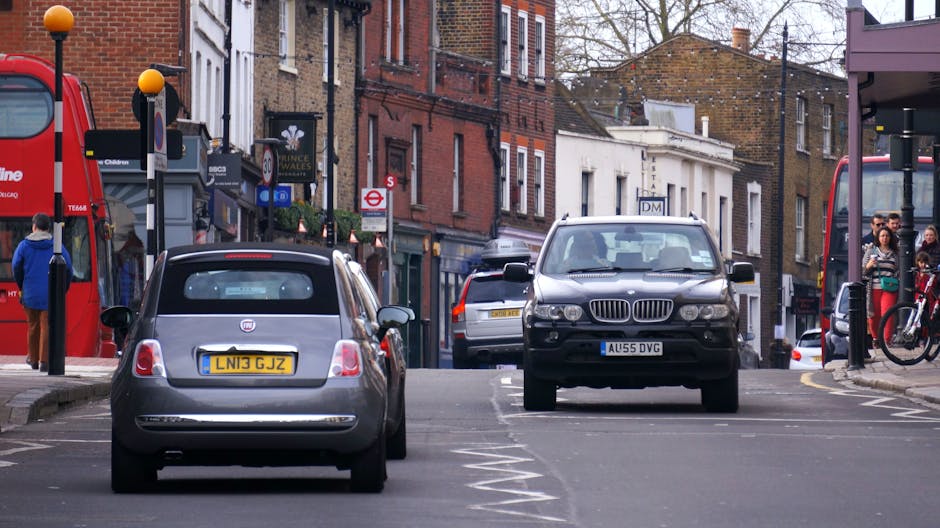
Most removal-day problems near stations are not dramatic mistakes. They are small oversights that pile up. The good news is that nearly all of them are avoidable.
- Assuming a parking space will be available. Near East Dulwich station, that is a risky bet.
- Leaving access checks until moving morning. By then, the clock is already working against you.
- Booking the wrong vehicle size. Too small means more trips; too large can make access harder.
- Forgetting about stairs, lifts, or turning space. The van is only one part of the route.
- Not preparing for rain or low light. A damp box and a slippery path are nobody's friend.
- Ignoring neighbours and pedestrians. In a tight street, courtesy matters. A lot.
Another common one? Assuming all removal jobs are the same. They are not. A single-room move from a top-floor flat is a different logistical puzzle from a family house removal or an office relocation. If you are comparing providers, it can be useful to read more about removal companies in Dulwich before making a choice.
There is also a money mistake people make. They focus on the headline price and forget the hidden cost of poor access: extra labour time, extra fuel, extra stress. Sometimes the cheaper quote becomes the expensive move. Funny how that works, isn't it?
Tools, Resources and Recommendations
You do not need a giant toolkit to manage a move near East Dulwich station, but a few practical tools make everything easier. The point is not fancy equipment. It is better control.
Helpful basics include:
- Printed move plan with timings and access notes
- Labels or coloured tape for room sorting
- Furniture blankets and floor protection
- Tape, scissors, and spare bags for last-minute loose items
- A charger and paper backup of important phone numbers
For bigger moves, it is sensible to review the different help levels available before the day. Some people prefer a straightforward van-only arrangement, while others want fuller assistance. Comparing removals in Dulwich, removal companies in Dulwich, and a man and van arrangement can help you decide what best fits your budget and access situation.
If you are trying to keep costs in view while planning around parking restrictions, the pricing information is worth checking early rather than late. A clear quote conversation is much easier than a rushed one on the day before the move. Much easier.
You may also want to look at the company background if you like to know who is actually handling your belongings. The about us page is a good starting point for that kind of reassurance.
Law, Compliance, Standards, or Best Practice
Parking suspensions are not something to treat casually. Even when the details feel practical rather than legal, the underlying principle is simple: only park or load where the rules allow you to do so. If a suspension is required, it should be arranged properly and observed on the day. If loading restrictions, waiting restrictions, or bay rules apply, they still matter even if the move is stressful and the van is half full.
In UK moving practice, the safest approach is to work to clear instructions, written confirmation where possible, and sensible time buffers. That means:
- checking the relevant bay or road restrictions in advance
- making sure the moving crew knows where they are expected to stop
- ensuring the access plan matches the vehicle and the building layout
- keeping the loading operation safe for staff, residents, and passers-by
Best practice also means being honest about uncertainty. If a suspension is not confirmed, do not build the entire moving day around it as though it were guaranteed. Plan a fallback. That might be a smaller vehicle, a later start, or a loader who is comfortable working with longer carry distances. It is not glamorous, but it is practical. And practical wins.
If safety is part of your concern, especially with heavy items or busy access routes, you may also value the company's health and safety policy and insurance and safety guidance. Those details are not exciting reading, granted, but they tell you a lot about how carefully a move is handled.
Options, Methods, or Comparison Table
There is no single perfect way to manage removals near the station. The right method depends on access, budget, item size, and how much time you have. Here is a simple comparison to make the decision easier.
| Option | Best for | Strengths | Watch-outs |
|---|---|---|---|
| Small man and van | Light moves, quick loads, a few rooms | Flexible, often efficient in tight streets | Can require more trips if the load is larger than expected |
| Removal van with crew | Standard house or flat removals | Better for heavier or more numerous items | Needs better access planning and more curb space |
| Full removals service | Busy households, fragile items, complex access | More support, better sequencing, less stress | Usually more expensive than a basic van-only job |
| Storage-first approach | Delayed completions, staged moves, uncertain timings | Reduces pressure if the property timeline shifts | Requires extra coordination and possibly extra handling |
In a station area, the best option is often the one that reduces surprises. A slightly bigger crew or a better planned vehicle can outperform a cheap, cramped setup that has everyone sweating and apologising. If you are moving a particular type of furniture, the furniture removals Dulwich service may be especially relevant.
Case Study or Real-World Example
Imagine a family moving out of a first-floor flat a short walk from East Dulwich station. The property is on a narrow road with resident bays and a fair bit of everyday traffic. On paper, the move seems straightforward: a few beds, a sofa, a dining table, and about thirty boxes. In reality, the challenge is access.
They plan the move for early morning, when the area is a little calmer. They arrange parking properly, confirm the loading position, and ask the removal team to arrive with protective covers and a van sized to minimise repeat trips. They also pack the smaller items the day before, so the crew is not waiting around for loose bits and bobs.
The result? The van can load closer to the entrance, the move stays on schedule, and nobody is forced into the classic "where can we put this for a second?" dance in the pavement. You know the one. It is not a huge glamorous story, but it is exactly how a good move should feel: calm, efficient, and uneventful in the best possible way.
That same logic applies to smaller moves too. A student leaving a shared property or a landlord coordinating a changeover can benefit just as much from proper access planning. Sometimes the difference between stressful and manageable is only one decent parking decision.
Practical Checklist
Use this checklist before moving day. It is simple, but it catches the usual problems.
- Confirm whether a parking suspension or special loading access is needed
- Check the street layout near the property and station access points
- Match the van size to the size of the actual move
- Prepare all boxes and label them clearly
- Protect floors, doors, and delicate furniture edges
- Build in extra time for traffic and access delays
- Keep contact details and keys easy to reach
- Let neighbours know if the move may affect shared access
- Have a backup plan if the parking arrangement changes
- Review the service, pricing, and safety details before confirming
A last thought on the checklist: if the move feels slightly overcomplicated, that is usually a sign to simplify the plan, not force it. Fewer moving parts. Fewer surprises.
Conclusion
East Dulwich parking suspension rules for removals near station are really about one thing: turning a potentially awkward access problem into a controlled, workable plan. Once you understand the parking side, the rest of the move gets easier to manage. The van arrives with purpose, the route is clearer, and the load-out feels less like a guessing game.
That is the real value here. Not bureaucracy for its own sake, but a better moving day. A quieter street. A shorter carry. Fewer shocks to furniture and fewer shocks to your nerves. If you plan ahead, choose the right vehicle, and keep the access details tidy, you give yourself the best chance of an uneventful move. And honestly, uneventful is exactly what most people want on moving day.
Get a free quote today and see how much you can save.
And if you are still mapping out your move, take it one sensible step at a time. That is usually how the best ones go. Steady, organised, and a little less chaotic than expected.