Southwark Council rules for Dulwich bulky waste removals
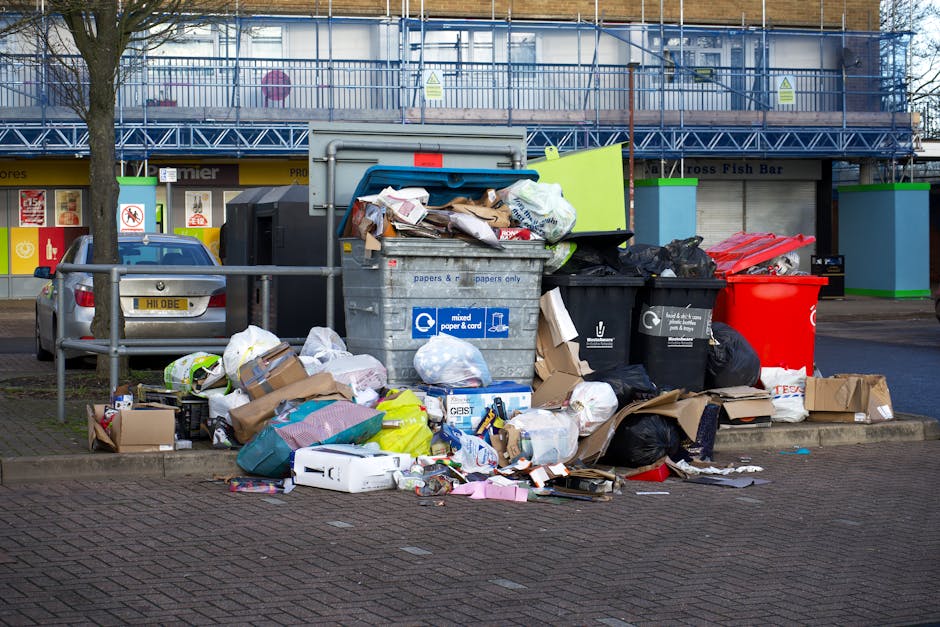
If you live in Dulwich, bulky waste can become a proper headache fast. A broken wardrobe, an old sofa, a mattress that no longer fits the room, or a few heavy bits left after a move all sound simple until you start asking: what actually counts as bulky waste, who is allowed to take it, and how do Southwark Council rules affect the process?
This guide explains Southwark Council rules for Dulwich bulky waste removals in plain English. You will learn how council collections normally work, what to check before booking anything, where people go wrong, and when a private removal service may be the more practical option. If you are trying to get rid of one item or clear an entire room, the goal here is to help you do it cleanly, legally, and without unnecessary stress. Let's face it, nobody wants a sofa blocking the hallway for three days while they figure things out.
For readers comparing different help options, it can also be useful to understand broader moving and clearance support. You can review removal services, furniture pick-up, or the lighter-touch option of a man and van if your job sits somewhere between a council collection and a full house clearance.
Table of Contents
- Why Southwark Council rules for Dulwich bulky waste removals matters
- How Southwark Council rules for Dulwich bulky waste removals works
- Key benefits and practical advantages
- Who this is for and when it makes sense
- Step-by-step guidance
- Expert tips for better results
- Common mistakes to avoid
- Tools, resources and recommendations
- Law, compliance, standards, or best practice
- Options, methods, or comparison table
- Case study or real-world example
- Practical checklist
- Conclusion
- Frequently Asked Questions
Why Southwark Council rules for Dulwich bulky waste removals Matters
Bulky waste rules matter because they shape what you can legally leave out, what the council will collect, and what happens if something is classed as non-acceptable waste. In a place like Dulwich, where homes often have limited storage, narrow front paths, shared access, or permit-sensitive streets, a wrong assumption can quickly turn into delay, extra cost, or a messy backlog outside your property.
There is also a practical side. Council collections usually exist to make disposal safer and more orderly, but they are not designed for every situation. A single armchair? Usually straightforward. A mixed load of wardrobes, broken shelving, a disassembled bed frame, and garden extras? That can become more complicated. And if you are trying to clear items quickly after a tenancy change, house move, or renovation, speed matters just as much as compliance.
In our experience, the people who have the smoothest clearance are the ones who treat the council rules as the starting point, not the last step. They check item types, access, collection timing, and whether they need help moving the waste to the kerb. Small detail, big difference.
Expert summary: The smartest bulky waste plan is the one that matches the item type, the access constraints, and the time you actually have. If the job is simple, the council route may work well. If it is awkward, urgent, or heavy, a private clearance can be the calmer choice.
How Southwark Council rules for Dulwich bulky waste removals Works
Although the exact booking process and accepted-item list can change, the usual structure is fairly consistent. You request a collection, specify the items, follow the council's placement instructions, and make sure everything is ready by the required time. The council then decides whether the waste can be collected as bulky rubbish or whether it needs a different route.
That sounds simple, but the details are where people get caught out. For example, councils often expect items to be separated in a sensible way, safely accessible, and not mixed with general household waste. They may also have restrictions on certain electricals, hazardous materials, dismantling requirements, or quantity limits. If your load includes anything unusual, it is worth pausing before you assume it can all go in one go.
If your bulky items are part of a wider home declutter, it may help to think about the whole removal process rather than only the rubbish itself. A lot of people in Dulwich use a wider moving or clearance service like home moves or house removals when the job includes furniture, packing leftovers, and heavy lifting all together.
There is also the access question. On a quiet morning, a front garden and short path might be no issue. On a busy weekday with a parked car, a tight stairwell, and a heavy sofa, the mechanics become part of the problem. Truth be told, bulky waste is rarely just about waste. It is about access, timing, and whether someone has the right kit to move the item safely.
What counts as bulky waste?
Bulky waste usually means large household items that are too big for normal rubbish bins. Typical examples include sofas, armchairs, mattresses, wardrobes, tables, beds, white goods, and some large broken household furnishings. The exact treatment can vary by council rules and by item condition.
That said, not every large object is automatically accepted. Items that are contaminated, dangerous, very heavy, or made up of mixed materials may need extra handling. If a piece contains glass, sharp metal, or electrical parts, treat it with caution.
What usually happens on collection day?
Typically, items need to be placed where the collection crew can access them safely. You may be asked to leave them at the property boundary or another agreed location. If the crew cannot reach the item, or if the item is not as described, the collection can be delayed or refused.
So yes, a little preparation helps more than most people expect. Even moving a wardrobe a few metres in advance can save a lot of back-and-forth on the day.
Key Benefits and Practical Advantages
Following the rules properly brings several advantages, and not just in a box-ticking sense. First, it reduces the chance of missed collections. Second, it helps you avoid unsafe lifting and moving. Third, it makes the whole thing easier to plan around moving dates, cleaning schedules, or landlord check-outs.
A well-organised bulky waste job also tends to be cheaper in the long run. If items are ready, separated, and described properly, you are less likely to pay twice because something was rejected or had to be rebooked. That matters when you are already paying for a move, end-of-tenancy cleaning, or a new furniture delivery.
There is another benefit that people sometimes overlook: peace of mind. Once the old mattress or broken sideboard is gone, the space feels lighter. Quietly lighter. You notice it when the room stops looking half-finished and you can breathe a little easier.
For jobs that need more than one person or specialist lifting, a service such as house movers or movers can reduce the risk of damage to walls, floors, and stair rails. If you are shifting items from upper floors or through a tight terrace layout, that support can be a real relief.
Who This Is For and When It Makes Sense
This topic is relevant to homeowners, tenants, landlords, estate agents, and anyone dealing with a sudden pile-up of large unwanted items in Dulwich. It is especially useful if you are:
- clearing a room before or after a move
- replacing old furniture
- emptying a rental property
- dealing with a bulky item that cannot go in normal bins
- trying to avoid fly-tipping or unsafe roadside dumping
- managing a property with limited storage or awkward access
It also makes sense for people who do not want to overcomplicate a small job. A single sofa, one bed base, and a couple of broken shelves may not justify a full-scale clearance, but they may still need professional handling if they are heavy or awkward to move. Sometimes the simplest-looking job is the one that gives you the sore back.
For commercial premises or office spaces, different practical choices may apply. In those cases, commercial moves or office removals may be more suitable than a domestic-style approach, especially where furniture, desks, or storage units need coordinated removal.
Step-by-Step Guidance
If you want to handle Dulwich bulky waste properly, a simple checklist-based approach works best.
- Identify the items clearly. Write down what needs removing, including approximate size, weight, and condition. A sofa is not the same as a dismantled sofa. That sounds obvious, but it matters.
- Separate bulky waste from general rubbish. Keep bins, bags, and loose household waste out of the pile unless the service explicitly allows it.
- Check access. Measure doorways, stair turns, garden gates, and any tight spots. If the item needs to pass through a narrow hallway, say so early.
- Decide whether council collection is enough. If the load is small and straightforward, a council route may be suitable. If it is large, time-sensitive, or awkward, consider private help.
- Prepare the item. Remove drawers, detach loose legs, tape sharp edges where sensible, and make sure items are safe to move.
- Confirm the collection instructions. Leave items exactly where requested. A collection missed because the sofa was behind a locked gate is the kind of frustration nobody needs.
- Keep proof of booking or quote details. If anything changes, you will want a clear record.
If you need help on the day, a practical route is to use a smaller team that can handle loading and short-distance transport. Options like man with van or man and van removals can be useful when the job is modest but still too awkward to do alone.
One small but important point: do not leave a collection job to the last minute if you are working to a tenancy deadline. Those last 48 hours have a funny way of disappearing.
Expert Tips for Better Results
Here is the short version: prepare more than you think you need to, and assume access will be the main challenge. That is usually where delays happen.
- Photograph the items before collection. It helps with quotes, planning, and avoiding misunderstandings about what needs removing.
- Disassemble where safe. Flat-packed pieces are much easier to carry than a whole wardrobe or bed frame.
- Protect shared surfaces. Hallways, stair corners, and front steps are where scuffs happen. A blanket or cover can save hassle.
- Group items logically. Put soft furniture together, hard furniture together, and anything fragile slightly away from the main route.
- Ask about recycling-led disposal. A responsible operator should explain how reusable or recyclable items are handled. You can also look at a provider's recycling and sustainability approach if that matters to you.
Another useful trick is to keep one "do not move yet" item aside if you are still deciding. It is surprisingly common for people to throw everything into the same pile and then realise, late in the day, that they needed one of the drawers after all. Classic.
For more complex household jobs, a provider's packing and unpacking services may also reduce the chance of damaged items being mixed into the waste pile. It is not glamorous, but it helps.
Common Mistakes to Avoid
A lot of bulky waste problems come from simple assumptions. The item looks manageable, so it must be fine. The collection date is close, so it will all work out. The old furniture is technically outside, so job done. Unfortunately, not quite.
- Mixing different waste types. Bulky items, garden waste, electricals, and general rubbish can all be treated differently.
- Assuming every large item is accepted. Some items need special handling or may not be eligible for the same service.
- Leaving items in the wrong place. Access instructions exist for a reason.
- Not measuring awkward pieces. A sofa that barely fits through the door is not something to "wing".
- Ignoring lifting risks. One back strain can ruin a whole week. Honestly, not worth it.
- Booking too late. This is the most common one. People wait until the room is full, then panic.
If you are unsure whether your items are suitable for a council collection, it is often better to get a clear answer first rather than guess. A wrong guess can cost more time than simply arranging the right kind of help from the start.
Tools, Resources and Recommendations
You do not need specialist gear for every bulky waste job, but a few simple tools make a huge difference. A tape measure, gloves, a trolley or sack truck for heavy items, and protective blankets can prevent minor chaos from becoming major annoyance. A torch is oddly useful too, especially in dim hallways or under-stair storage.
For planning, use your phone camera to capture the items, access routes, and any obstacles. If you are comparing options, ask for a quote based on the actual load rather than a vague description. A good estimate depends on what is really there, not on a hopeful guess from the kitchen table.
If you want to explore service options beyond council collection, these pages may help you compare the right type of support:
- removals for broader household clearance and transport needs
- removals near me if you are looking for local support in practical terms
- removal company if you want a fuller managed service
- pricing and quotes to understand how costs are usually presented
In everyday terms, the best resource is the one that helps you remove uncertainty early. Once the unknowns are clear, the job feels much smaller.
Law, Compliance, Standards, or Best Practice
Bulky waste removal is not just about convenience. In the UK, waste should be handled responsibly, and you should avoid leaving items with anyone who cannot clearly explain what happens to them. Fly-tipping, improper disposal, and unsafe handling can create real issues for residents and property owners alike.
Best practice is simple enough to describe, even if it is occasionally ignored in the real world:
- use a reputable collection method
- keep waste types separated where required
- make sure the route is safe for movers and residents
- avoid blocking pavements, entrances, or shared access
- ask how recyclable items are treated
- keep receipts, booking notes, or written confirmation where appropriate
Health and safety matters too. Heavy lifting, sharp edges, broken glass, unstable furniture, and narrow staircases all raise the risk of injury. If you are arranging a clearance through a provider, their health and safety policy and insurance and safety information can give you a better sense of how they work. Not exciting reading, granted, but useful.
If a property is occupied by tenants, landlords and agents should also think about access permissions, responsible handover, and whether waste left on-site could create a complaint. For disputes or service concerns, a published complaints procedure is another sign that the provider takes accountability seriously.
Options, Methods, or Comparison Table
There is no single best answer for every Dulwich bulky waste job. The right option depends on size, urgency, item type, and access. Here is a simple comparison to make the decision easier.
| Option | Best for | Pros | Watch-outs |
|---|---|---|---|
| Council bulky waste collection | Small to moderate household items | Structured process, familiar route, good for straightforward loads | May have item limits, timing constraints, or access requirements |
| Private bulky waste removal | Urgent or awkward loads | More flexible, can handle lifting and transport, often faster | Costs can vary depending on labour and volume |
| Full removal service | Moves, clearances, or multiple items | Useful when bulky waste is part of a bigger job | May be more than you need for a single item |
For many Dulwich households, the decision comes down to this: is the job simple enough to fit the council route, or messy enough that you want someone else to do the lifting and loading? There is no shame in choosing the calmer option.
If your waste is tied to a larger relocation, man with van removal or house removalists may provide a more complete solution than treating the waste as an isolated issue.
Case Study or Real-World Example
Picture a typical Dulwich household on a damp Thursday morning. The old sofa has finally been replaced, the bedroom wardrobe has been dismantled, and there is a mattress leaning against the wall in the hallway. The family wants the space cleared before the decorators arrive the next day. Simple enough, until they realise the wardrobe pieces are heavier than expected and the hallway turn is tighter than they remembered.
In that kind of situation, the first instinct is usually to shove everything near the door and hope for the best. Human, absolutely. But not ideal. The better approach is to separate the items, measure the largest piece, confirm the access route, and decide whether council collection is realistic or whether a private clearance will save time and stress. That extra ten minutes of planning can prevent a very long afternoon.
For a job like this, a resident might choose a small local removal team that can carry the items down safely, load them quickly, and avoid dragging furniture across the floor. If the collection is part of a wider move, a service such as moving van or removal van may be the better fit, especially where speed and access matter more than a basic drop-off arrangement.
The key lesson? The best bulky waste plan is the one that fits the real property, not the ideal one in your head.
Practical Checklist
Use this before booking or placing any bulky waste for collection.
- Confirm exactly which items need removing
- Check whether any items are electrical, hazardous, or unusually heavy
- Measure doorways, hallways, stairs, and gates if access is tight
- Separate bulky items from general household waste
- Disassemble items where it is safe to do so
- Keep the collection area clear and accessible
- Photograph the load if you may need a quote or proof later
- Decide whether a council route or private removal makes more sense
- Check timing against your move-out, cleaning, or refurbishment schedule
- Keep any confirmation details in one place
If you are still uncertain, it can help to speak with a provider before the item pile gets any bigger. A quick conversation now usually beats a rushed decision later.
Conclusion
Southwark Council rules for Dulwich bulky waste removals are really about making a common problem manageable: large items, limited access, and the need to dispose of everything properly without creating extra hassle. Once you know what counts as bulky waste, what the collection process expects, and where the risks sit, the whole thing becomes much less intimidating.
The main takeaway is simple. Start with the item list, check the access, and choose the route that fits the actual job. Small, straightforward loads may suit a council collection. Bigger or more awkward clearances often work better with a private removal team that can handle lifting, loading, and transport in one go. Either way, planning first saves a lot of grief.
If you want a smoother, more flexible solution for items that are too awkward to manage alone, explore the practical options on removal services and contact us to talk through what you need.
Get a free quote today and see how much you can save.
And if you are staring at a bulky item right now, take a breath. With the right plan, it really is just one job at a time.
Frequently Asked Questions
What counts as bulky waste in Dulwich?
Bulky waste usually means large household items that do not fit in normal bins, such as sofas, beds, wardrobes, and mattresses. Exact acceptance can depend on the item type and collection method.
Will Southwark Council collect a sofa or mattress?
Often, yes, but it depends on the current bulky waste rules, booking process, and whether the item is prepared and placed correctly. Always check the collection requirements before leaving anything out.
Can I leave bulky waste outside my property early?
Not usually for long periods. Items should normally be left only in line with the collection instructions. Leaving them out too early can create obstruction or invite complaints.
What should I do if my item is too heavy to move safely?
Do not try to force it. Heavy or awkward items are where injuries happen. A private removal service or a two-person lifting team is often the safer choice.
Are broken electrical items treated the same as furniture?
No, not necessarily. Electrical items can be handled differently from furniture, especially if they contain wiring, batteries, or hazardous components.
Is a council collection better than hiring a removal company?
It depends on the job. Council collections are often suitable for straightforward loads, while a removal company is usually better for urgent, bulky, or access-heavy clearances.
How do I know if my bulky waste is ready for collection?
If the items are identified clearly, separated properly, and placed where the crew can access them safely, you are usually in a much better position. Photos can help if you are unsure.
Can bulky waste be removed as part of a house move?
Yes, and that is often the most efficient time to do it. Many people clear unwanted furniture during a move rather than paying to handle it twice.
What if my collection is refused or missed?
Check the reason first. Common issues include incorrect placement, prohibited items, or incomplete preparation. If needed, rebook or choose a private removal option.
Is it worth getting a quote for just one or two items?
Often, yes. If the items are large, heavy, or difficult to access, a quote can show whether private removal is more practical than doing it yourself.
How can I keep bulky waste removal affordable?
Prepare the items in advance, remove anything unnecessary, group the load clearly, and compare the available options before booking. Small prep steps can reduce labour time and cost.
What is the safest way to remove bulky waste from a flat or upstairs property?
The safest route is usually to avoid solo lifting, protect the route, and use a team with the right equipment. Tight staircases and awkward corners are not where you want to improvise.